slot co to 2026 — poradnik dla graczy

slot co to — co grać w 2026 roku

slot co to w 2026 roku to synonim nowoczesnej rozgrywki i wysokiej jakości. Producenci oprogramowania prześcigają się w tworzeniu tytułów z innowacyjnymi rozwiązaniami, takimi jak wild, scatter czy darmowe spiny.

Dzięki temu gracze mają nieograniczone możliwości wyboru i mogą dopasować grę do swojego stylu. Jeśli szukasz czegoś, co zapewni Ci niezapomniane wrażenia, przyjrzyj się bliżej slot co to online i jego unikalnym funkcjom.

Zobacz też:

Jak zacząć grę z slot co to maszyna?

The concept of purchasing a bonus is a nuanced transaction that extends far beyond a simple exchange of currency for an additional benefit. In the realm of consumer economics, a bonus is typically a value-added incentive designed to entice a purchase, reward loyalty, or differentiate a product from its competitors. When a consumer decides to buy a bonus, they are not merely acquiring an extra item or service; they are engaging in a calculated decision that weighs the perceived utility of the bonus against its cost, often within the context of a larger primary purchase. This phenomenon is particularly prevalent in industries such as retail, where buy-one-get-one-free offers, gift-with-purchase promotions, and loyalty point multipliers are common tactics. For instance, a cosmetics brand might offer a deluxe sample kit as a bonus for spending over a certain threshold, and the consumer who chooses to buy that bonus—either by increasing their cart size or paying a nominal fee—is making a strategic choice to maximize their overall satisfaction. The psychology behind this is fascinating: the bonus creates a sense of urgency and exclusivity, tapping into the fear of missing out (FOMO) and the desire for a good deal. Behavioral economists have studied how the framing of a bonus can alter its perceived value; a bonus that is presented as a limited-time offer or a member-exclusive perk often carries more weight than a perpetual add-on. Moreover, the decision to buy a bonus involves a trade-off analysis, where the consumer must consider opportunity costs—what else could that money buy? For example, a gamer might purchase a season pass that includes bonus in-game content, weighing the hours of entertainment against the price, while a frequent flyer might buy a lounge access bonus that enhances their travel experience. In the digital age, buying bonuses has become even more complex, with microtransactions in mobile games, premium subscription tiers with bonus features, and crowdfunding campaigns that offer tiered bonuses as rewards. Each of these scenarios requires a different evaluation framework. In gaming, a bonus might be a rare character skin that has no gameplay advantage but offers social status, whereas in finance, a bonus could be a higher interest rate on a savings account that provides tangible monetary returns. The act of buying a bonus also has implications for the seller; it allows businesses to segment their customer base, identify high-value consumers, and cultivate brand advocates. From a legal standpoint, buying a bonus often involves terms and conditions that govern its use, expiration, and transferability, adding a layer of complexity that consumers must navigate. For instance, a bonus offered as a gift card might have a limited validity period, or a bonus subscription might auto-renew at full price unless canceled. Understanding these nuances is crucial for consumers to avoid disappointment or hidden costs. Furthermore, the cultural context influences how bonuses are perceived; in some societies, haggling for a bonus is customary, while in others, it is seen as pushy. The rise of e-commerce has also introduced dynamic pricing and personalized bonuses, where the same product might have a different bonus based on the user’s browsing history or purchase patterns. This personalization can be both beneficial and concerning, as it raises questions about data privacy and fairness. Ultimately, buying a bonus is a microcosm of consumer behavior, reflecting broader trends in marketing, psychology, and technology. It is not just about the extra item; it is about the relationship between the buyer and the seller, the perceived value, and the emotional satisfaction of getting more for one’s money. Whether it is a free shipping threshold, a buy-one-get-one-half-off deal, or a bonus reward point multiplier, the decision to buy a bonus is a deliberate act that can enhance the overall purchase experience. However, it also requires a level of mindfulness, as not all bonuses are created equal. Some bonuses may be low-quality or irrelevant, leading to buyer’s remorse. Therefore, savvy consumers often research the bonus’s actual value, read reviews, and compare alternatives before committing. In conclusion, buying a bonus is a multifaceted decision that involves financial reasoning, psychological triggers, and strategic planning.

jackpot pl 2026 — darmowe spiny i jackpoty

Podstawy gry: slot co to online i zasady slotów

Wybierz legalne i licencjonowane kasyno online, sprawdzając jego certyfikaty i opinie graczy.

Załóż konto i zweryfikuj swój adres e-mail oraz tożsamość.

Wpłać pierwszy depozyt, korzystając z wygodnej metody płatności (np. karty, e-portfele).

Zapoznaj się z zasadami gry w sloty — poznaj znaczenie bębnów, linii wypłat, RTP i zmienności.

Wybierz automat o atrakcyjnym dla Ciebie poziomie zmienności i funkcjach bonusowych, takich jak darmowe spiny czy rundy z mnożnikami.

Ustal budżet na grę i zawsze graj odpowiedzialnie, śledząc czas i wydatki.

slot co to stosuje najnowsze technologie szyfrowania danych osobowych.

Warunki Bonusowe dla Graczy Slotów

  • zł250 za darmo
  • bonus zł300
  • 200 spinów bez depozytu
  • Wymóg 45x obrotu
  • Playthrough 40x

Wizualizacja slot co to
slot co to

bet on red kasyno — ranking bukmacherów | bet on red kasyno

Jak bezpiecznie korzystać z slot co to maszyna? – FAQ

Czym są automaty online i jak działają?

Automaty online to cyfrowe wersje klasycznych jednorękich bandytów. Gracz obstawia zakład, uruchamia bębny, a po ich zatrzymaniu wygrywa, jeśli na aktywnej linii wypadną pasujące symbole. Wyniki są losowe dzięki generatorowi liczb losowych (RNG), co gwarantuje uczciwość gry.

Co oznaczają pojęcia: bębny, linie wygrywające i zmienność?

Bębny to pionowe kolumny z symbolami, które obracają się po każdym zakręceniu. Linie wygrywające to wzory (np. poziome, ukośne), które łączą symbole dające wygraną. Zmienność (wolatylność) określa stosunek częstotliwości wygranych do ich wysokości: niska daje częste, ale małe wygrane, a wysoka – rzadkie, ale duże.

Czym jest RTP i dlaczego jest ważna?

RTP (Return to Player) to procent, który w teorii wraca graczom z sumy postawionych zakładów na przestrzeni wielu rozgrywek. Na przykład RTP 96% oznacza, że średnio z każdych 100 zł postawionych, 96 zł wraca do graczy. Wysokie RTP jest korzystne dla gracza, bo zwiększa jego szanse na długoterminowy zwrot.

Jakie są rodzaje bonusów i funkcji specjalnych w slotach?

Popularne funkcje to darmowe spinów (free spiny), rundy bonusowe (np. wybór skrzyń), symbole Wild (zastępują inne symbole) i Scatter (aktywują bonusy). Mogą też wystąpić mnożniki, kaskadowe bębny czy symbole rozszerzające. Każdy slot ma unikalny zestaw funkcji, które urozmaicają rozgrywkę i zwiększają szanse na wygraną.

Czym są jackpoty i jak je wygrać?

Jackpoty to duże wygrane, które kumulują się z części każdego zakładu. Występują jackpoty stałe (z góry określona kwota) i progresywne (rosnące, aż ktoś wygra). Można je wygrać losowo, podczas rundy bonusowej lub za maksymalną kombinację symboli. Aby mieć szansę na jackpot, sprawdź zasady danego slotu – często wymagany jest maksymalny zakład.

Kim są dostawcy oprogramowania i dlaczego mają znaczenie?

Dostawcy oprogramowania to firmy tworzące gry kasynowe. Renomowani producenci (np. NetEnt, Microgaming, Play’n GO) gwarantują wysoką jakość grafiki, uczciwe algorytmy i regularne audyty. Wybierając sloty od sprawdzonych dostawców, masz pewność bezpieczeństwa i lepszych wrażeń z gry.

slot co to oferuje program lojalnościowy z ekskluzywnymi nagrodami dla graczy.

Narzędzia samowykluczenia dla graczy slotów online

Hazard jest przeznaczony wyłącznie dla osób pełnoletnich (18+). Pamiętaj, że gra powinna być formą rozrywki, a nie sposobem na zarabianie pieniędzy. Zawsze ustalaj limity czasu i środków finansowych przed rozpoczęciem gry i nigdy nie próbuj odgrywać straconych pieniędzy. W Polsce nadzór nad rynkiem hazardu sprawuje Ministerstwo Finansów, które prowadzi rejestr domen i podmiotów oferujących gry hazardowe. Jeśli czujesz, że tracisz kontrolę nad swoim zachowaniem, skorzystaj z narzędzi samowykluczenia oferowanych przez operatorów lub skontaktuj się z ogólnopolskim Telefonem Zaufania ds. Hazardu pod numerem 801 66 33 44. Graj odpowiedzialnie!

coin master spiny bez weryfikacji — ranking | coin master spiny bez weryfikacji

O autorze: . Redaktor i analityk z 14-letnim doświadczeniem w śledzeniu trendów rynkowych, Tomasz pisze o nowych kasynach, promocjach i zmianach w prawie hazardowym w Polsce.


Posted in Bez kategorii

slot co to 2026 — poradnik dla graczy

slot co to — top 10 maszyn w 2026

slot co to kategoria, która przyciąga uwagę zarówno nowych, jak i doświadczonych użytkowników kasyn. Łatwość obsługi oraz szybkie tempo rozgrywki sprawiają, że sloty są idealnym wyborem na krótką chwilę relaksu.

Warto jednak mieć na uwadze, że nie wszystkie gry są sobie równe. Zanim zdecydujesz się na konkretny automat, sprawdź, jakie bonusy i funkcje oferuje slot co to gra, który zdobywa coraz większą popularność na rynku.

Zobacz też:

slot co to online: co musisz wiedzieć na start

The concept of purchasing a bonus is a nuanced transaction that extends far beyond a simple exchange of currency for an additional benefit. In the realm of consumer economics, a bonus is typically a value-added incentive designed to entice a purchase, reward loyalty, or differentiate a product from its competitors. When a consumer decides to buy a bonus, they are not merely acquiring an extra item or service; they are engaging in a calculated decision that weighs the perceived utility of the bonus against its cost, often within the context of a larger primary purchase. This phenomenon is particularly prevalent in industries such as retail, where buy-one-get-one-free offers, gift-with-purchase promotions, and loyalty point multipliers are common tactics. For instance, a cosmetics brand might offer a deluxe sample kit as a bonus for spending over a certain threshold, and the consumer who chooses to buy that bonus—either by increasing their cart size or paying a nominal fee—is making a strategic choice to maximize their overall satisfaction. The psychology behind this is fascinating: the bonus creates a sense of urgency and exclusivity, tapping into the fear of missing out (FOMO) and the desire for a good deal. Behavioral economists have studied how the framing of a bonus can alter its perceived value; a bonus that is presented as a limited-time offer or a member-exclusive perk often carries more weight than a perpetual add-on. Moreover, the decision to buy a bonus involves a trade-off analysis, where the consumer must consider opportunity costs—what else could that money buy? For example, a gamer might purchase a season pass that includes bonus in-game content, weighing the hours of entertainment against the price, while a frequent flyer might buy a lounge access bonus that enhances their travel experience. In the digital age, buying bonuses has become even more complex, with microtransactions in mobile games, premium subscription tiers with bonus features, and crowdfunding campaigns that offer tiered bonuses as rewards. Each of these scenarios requires a different evaluation framework. In gaming, a bonus might be a rare character skin that has no gameplay advantage but offers social status, whereas in finance, a bonus could be a higher interest rate on a savings account that provides tangible monetary returns. The act of buying a bonus also has implications for the seller; it allows businesses to segment their customer base, identify high-value consumers, and cultivate brand advocates. From a legal standpoint, buying a bonus often involves terms and conditions that govern its use, expiration, and transferability, adding a layer of complexity that consumers must navigate. For instance, a bonus offered as a gift card might have a limited validity period, or a bonus subscription might auto-renew at full price unless canceled. Understanding these nuances is crucial for consumers to avoid disappointment or hidden costs. Furthermore, the cultural context influences how bonuses are perceived; in some societies, haggling for a bonus is customary, while in others, it is seen as pushy. The rise of e-commerce has also introduced dynamic pricing and personalized bonuses, where the same product might have a different bonus based on the user’s browsing history or purchase patterns. This personalization can be both beneficial and concerning, as it raises questions about data privacy and fairness. Ultimately, buying a bonus is a microcosm of consumer behavior, reflecting broader trends in marketing, psychology, and technology. It is not just about the extra item; it is about the relationship between the buyer and the seller, the perceived value, and the emotional satisfaction of getting more for one’s money. Whether it is a free shipping threshold, a buy-one-get-one-half-off deal, or a bonus reward point multiplier, the decision to buy a bonus is a deliberate act that can enhance the overall purchase experience. However, it also requires a level of mindfulness, as not all bonuses are created equal. Some bonuses may be low-quality or irrelevant, leading to buyer’s remorse. Therefore, savvy consumers often research the bonus’s actual value, read reviews, and compare alternatives before committing. In conclusion, buying a bonus is a multifaceted decision that involves financial reasoning, psychological triggers, and strategic planning. It is a practice that is deeply embedded in modern commerce, and its significance cannot be overstated.

Mistrzowskie wskazówki: slot co to kasyno w praktyce

Zarejestruj konto w wybranym kasynie online i zweryfikuj adres e-mail.

Wybierz automat do gry i zapoznaj się z liczbą bębnów oraz linii wypłat.

Ustal wysokość zakładu, uwzględniając minimalną wpłatę (zł25) i swój budżet.

Sprawdź parametry gry, takie jak RTP i zmienność, aby dopasować ją do swojego stylu.

Uruchom grę i obserwuj symbole oraz funkcje bonusowe, takie jak darmowe spiny czy mnożniki.

Graj odpowiedzialnie i zatrzymaj się, gdy osiągniesz ustalony limit wygranej lub straty.

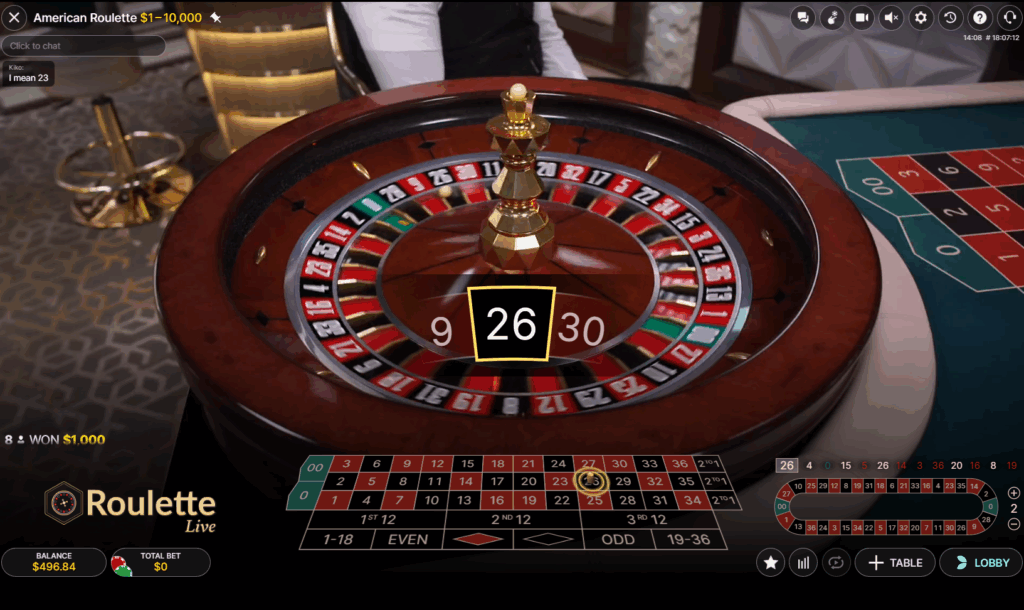
slot co to oferuje szeroką gamę gier stołowych, takich jak blackjack i ruletka.

gra na automatach 2026 — gra na automatach hazardowych

Warunki Bonusowe dla Graczy Slotów

  • 75 darmowych spinów
  • bonus zł1500
  • zł250 + 10 spinów
  • Wymóg obrotu 30x
  • 35x obrót w 14 dni

Poznaj szczegóły slot co to online w naszym FAQ

Czym są automaty online i jak działają?

Automaty online to cyfrowe wersje klasycznych slotów, w których gracze obstawiają zakłady, a wynik zależy od generatora liczb losowych (RNG). Ich mechanika opiera się na bębnach, symbolach i liniach wygrywających, a celem jest ułożenie zwycięskich kombinacji.

Czym są linie wygrywające i bębny?

Bębny to pionowe sekcje, które obracają się po naciśnięciu przycisku, a linie wygrywające to ścieżki, wzdłuż których symbole muszą się ułożyć, aby przynieść wygraną. Nowoczesne sloty mają od kilku do nawet setek linii, a niektóre używają mechaniki „ways to win”, gdzie liczy się liczba sąsiadujących symboli.

najlepsze kasyno internetowe 2026 — najlepsze rekomendacje

Co to jest volatility (zmienność) i RTP?

Volatility określa poziom ryzyka gry – niska zmienność daje częste, ale mniejsze wygrane, a wysoka – rzadsze, ale większe. RTP (Return to Player) to teoretyczny procent zwrotu środków graczom w długim okresie, np. 96% oznacza, że gra zwraca średnio 96 zł z każdej 100 zł postawionej.

Jakie funkcje bonusowe mają sloty?

Funkcje bonusowe to specjalne elementy, które zwiększają szanse na wygraną lub dodają emocji, np. darmowe spiny, wildy, scattery, mnożniki, kaskady symboli czy mini-gry. Mogą być losowe lub uruchamiane przez odpowiednie kombinacje symboli, a ich celem jest urozmaicenie rozgrywki.

icecasino darmowe spiny 2026 — darmowe spiny bez depozytu

Czym są jackpoty i jakie są ich rodzaje?

Jackpot to wyjątkowa nagroda, która może być stała (ustalona kwota) lub progresywna (rośnie z każdym postawionym zakładem). Progresywne jackpoty mogą być lokalne (w jednej grze) lub sieciowe, łączące wiele gier, co daje możliwość wygrania ogromnych sum.

cm free spins — ekskluzywne promocje | cm free spins

Kto tworzy gry slotowe i dlaczego to ważne?

Gry slotowe tworzą wyspecjalizowane studia, zwane dostawcami oprogramowania, które odpowiadają za jakość grafiki, dźwięku, mechanikę i uczciwość. Znani producenci, tacy jak NetEnt, Microgaming czy Play’n GO, gwarantują wysokie standardy, a wybór gier od renomowanych dostawców zwiększa zaufanie i przyjemność z gry.

slot co to umożliwia korzystanie z różnych metod płatności, w tym kryptowalut.

www.gry lotto.pl — ekspresowe losowania | www.gry lotto.pl
ice kasyno kod promocyjny — ekskluzywne promocje | ice casino

Limity depozytów w grach slotowych – co warto wiedzieć

Gry hazardowe są przeznaczone wyłącznie dla osób dorosłych (18+). Pamiętaj, że hazard to forma rozrywki, a nie sposób na zarabianie pieniędzy. Zawsze ustalaj limity czasu i pieniędzy, które możesz przeznaczyć na grę, i nigdy nie próbuj odgrywać straconych środków. Jeśli czujesz, że tracisz kontrolę nad swoim graniem, skorzystaj z narzędzi samowykluczenia oferowanych przez operatorów oraz z pomocy organizacji takich jak Telefon Zaufania dla Osób Uzależnionych od Hazardu (801 100 900). W Polsce działalność hazardową reguluje Ministerstwo Finansów, a rejestr osób wykluczonych prowadzony jest przez administrację skarbową. Graj odpowiedzialnie.

O autorze: . Ekspertka w dziedzinie bezpieczeństwa i odpowiedzialnej gry, Anna od 10 lat analizuje licencje kasyn i polityki prywatności, pomagając graczom wybierać zaufane platformy.


Posted in Bez kategorii